
THE HURRICANE v THE SPITFIRE
The Supermarine Spitfire and the Hawker Hurricane were the twin pillars of the Royal Air Force during the Battle of Britain in 1940. While the sleeker Spitfire claimed the glory for speed and dogfighting, the rugged Hurricane actually did the heavy lifting by destroying more enemy aircraft.
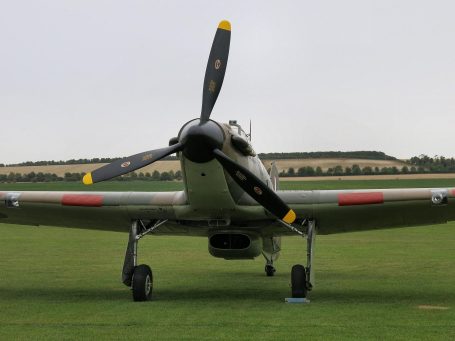
THE HURRICANE
Design and Construction
Traditional design using a steel-tube frame covered in Irish linen fabric over the rear fuselage, featuring thicker, straight-edged wings.
Performance and Combat Roles
Slower (top speed around 320 mph) and less agile, but possessed a wider undercarriage making it a very stable gun platform. It was primarily tasked with destroying slower enemy bombers.
Production and Maintenance
Roughly 15–20% cheaper and twice as fast to manufacture. Fabric panels were simple to patch up in the field, keeping turnaround times low.
Battle of Britain Impact
Outnumbered the Spitfire roughly two-to-one in 1940 and was credited with roughly 60% of all Luftwaffe aircraft destroyed by the RAF.
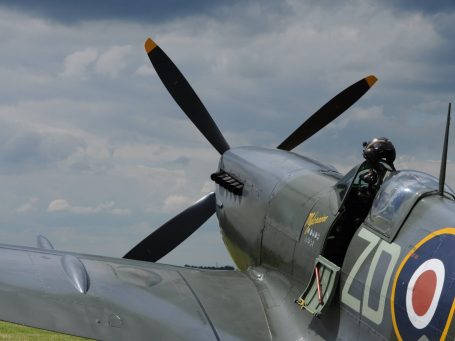
THE SPITFIRE
Design and Construction
Advanced all-metal stressed-skin aluminum construction with thin, graceful elliptical wings.
Performance and Combat Roles
Faster (top speed over 350 mph) with a superior rate of climb. It was assigned to intercept faster German Bf 109 fighter escorts.
Production and Maintenance
Harder to build, required more skilled labour-hours, and was less forgiving to repair when damaged.
Battle of Britain Impact
Accounted for fewer total enemy kills due to lower numbers in service, but engaged high-threat enemy fighters.
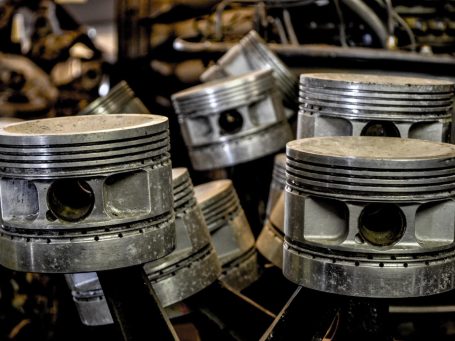
THE MERLIN ENGINE
Origins and Naming
Bird of prey tradition: It was initially developed in private venture form as the PV-12 before being named "Merlin" following the company tradition of naming piston engines after birds of prey. Famed designer, R.J. Mitchell, did not design the Supermarine Spitfire around the Merlin; it was adapted later when the massive potential of the engine became obvious.
Clever Engineering Fixes
Early Merlins suffered from fuel starvation and engine cut-out during sudden negative G-force dives because the carburetor flooded. Engineer Beatrice Schilling invented a simple brass "negative-G trap" orifice restrictor that solved the issue overnight, giving Allied pilots a major advantage in dogfights. Output doubled from 1,000 hp early in the conflict to over 2,000 hp by 1945 without fundamentally changing the core 27-litre block.
Scale and Production
Astounding numbers (nearly 150,000) of Merlin engines were built across factories in Derby, Crewe, and Glasgow, plus licensed production by Packard in the United States. American production by Packard motorized the legendary North American P-51 Mustang, turning an already capable airframe into a long-range high-altitude escort giant.